Why our old friends matter
For decades, bacteria were treated as something to avoid. We sanitize, disinfect and try to keep germs away. Hygiene has saved millions of lives, but it has also reduced our contact with the microbes that helped shape our immune system.
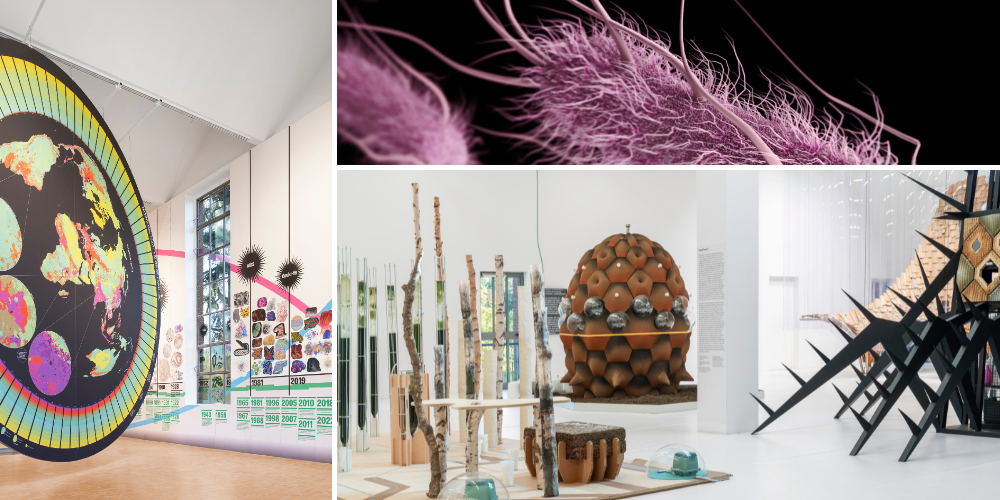
This idea is central to the Old Friends hypothesis. It suggests that modern inflammatory conditions are not caused by too few microbes, but by too few of the right ones. These old friends are microorganisms we evolved alongside: from family, animals, soil, nature and the communities living on and inside our bodies.
An immune system that needs input
The immune system has the hardware at birth, but it still needs data. Diverse microbial exposure teaches it what is dangerous and what is harmless. Without these signals, the system becomes less balanced and more likely to overreact. This imbalance is linked to rising allergies, asthma, atopic dermatitis and other chronic inflammatory conditions.
Modern lifestyles limit our exposure to nature, animals and soil. Urbanization, pollution and widespread antimicrobial use have further reduced contact with beneficial microbes. Hygiene remains essential, but indiscriminate microbial elimination comes at a cost.
What this means for the skin
The skin microbiome supports barrier integrity, immune function and resilience. When this ecosystem is disrupted by antibiotics, harsh formulations or lack of beneficial exposure, the skin becomes more vulnerable. Inflammation increases, relapse risk rises and standard treatments often worsen the imbalance by eliminating bacteria without distinction.
This insight is driving a major commercial shift. The global microbiome therapeutics market is expanding rapidly, with companies like Elanco, Purina, Mars Petcare and L’Oréal investing heavily. The future of care is not about removing more microbes, but restoring the right ones.
From hypothesis to platform
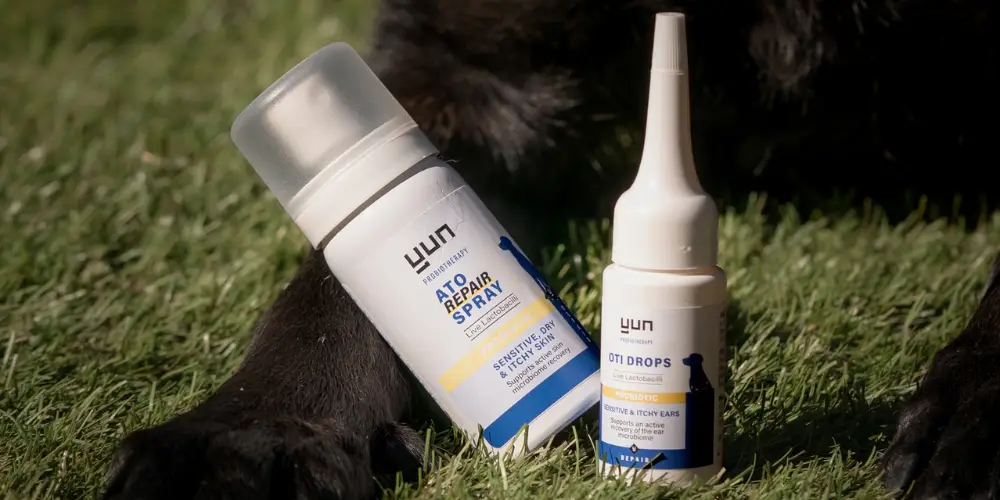
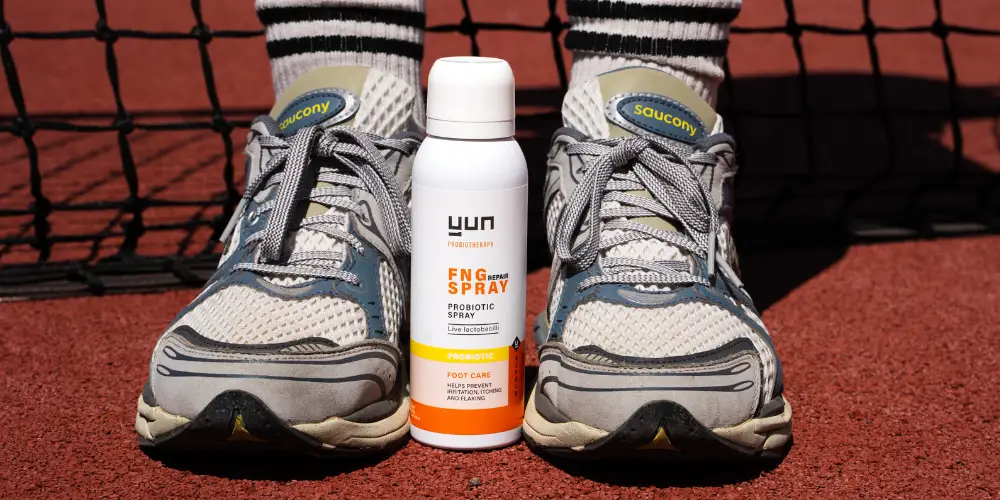
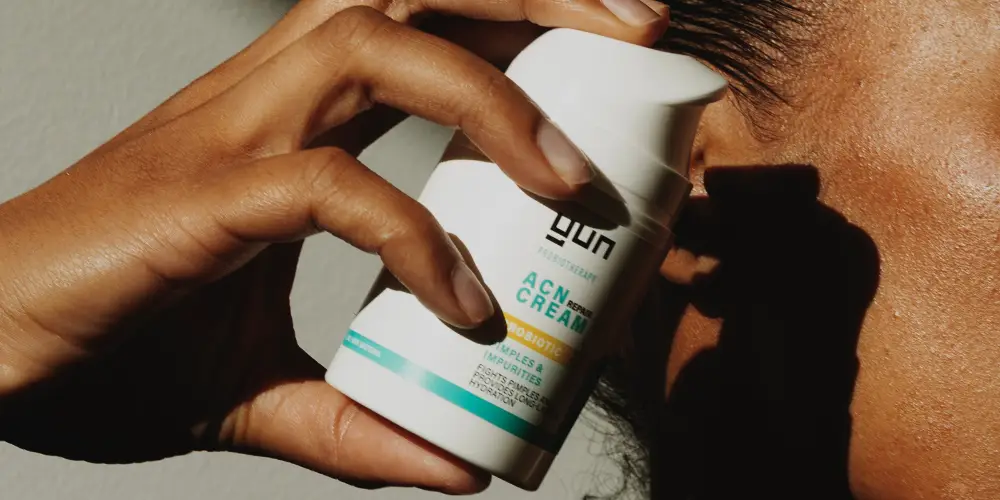
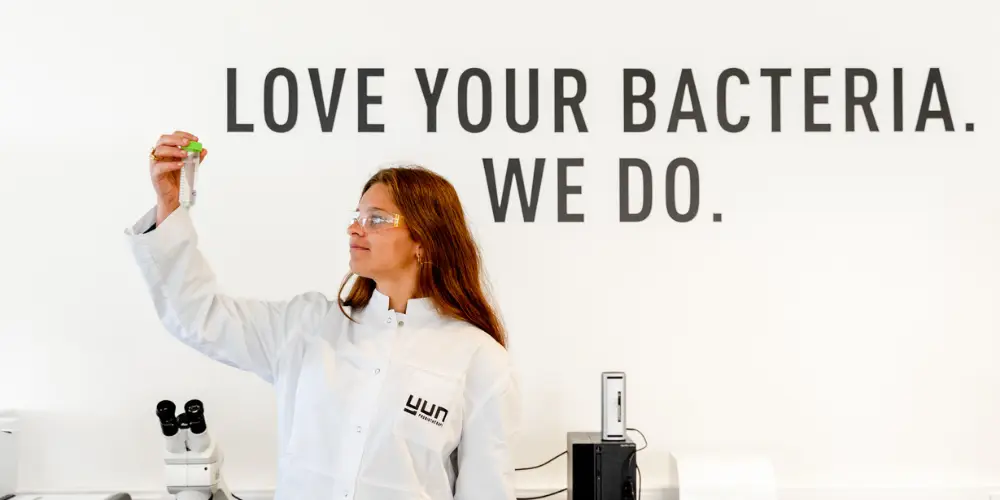
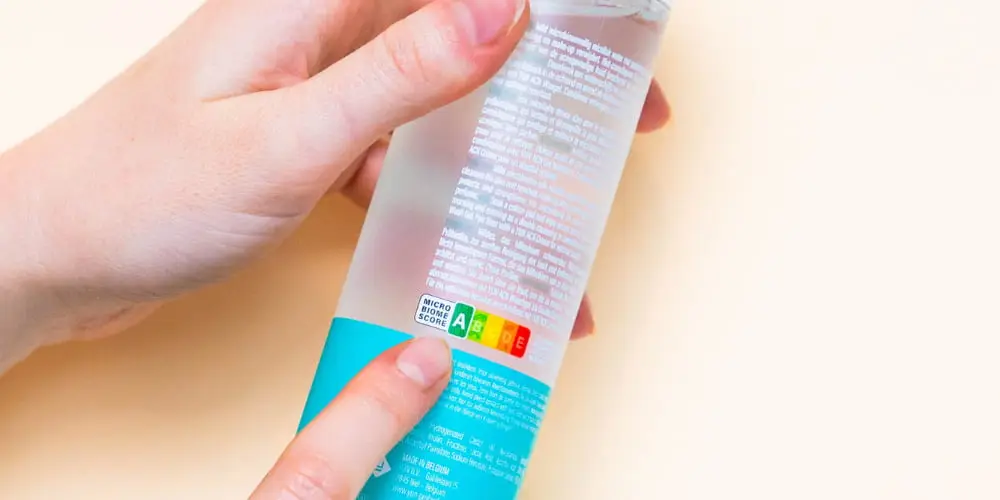
At YUN, the Old Friends hypothesis is the foundation of our work. We do not kill. We add. The YUN Probiotherapy platform delivers live lactobacilli directly to the skin, supported by prebiotics and postbiotics and formulated without preservatives or surfactants that disrupt the microbiome. The system works with the skin ecosystem rather than against it.
Clinical results show:
- 85% less itch in eczema consumer tests
- 94% improvement in fungal skin conditions
- visible results in baby diaper rash within 4 days

Allwithout antibiotics, without side effects and without relapse cycles.
The opportunity ahead
Most bacteria are not the enemy. Many of the microbes we evolved with still play essential roles in health. Standard therapies have overlooked this for decades, offering temporary relief instead of long-term balance.
YUN offers a platform that addresses root causes, delivers lasting results and opens a new category at the intersection of clinical efficacy and consumer safety. For dermatology, intimate health, animal care and beyond, this is the science behind the next generation of care.
 Want to read more on our scientific evidence & publications? Click here