For decades, we have been taught to protect ourselves from bacteria. To wash them away, disinfect them and eliminate them.
But what if bacteria are not simply the problem? What if they are an essential part of the solution?
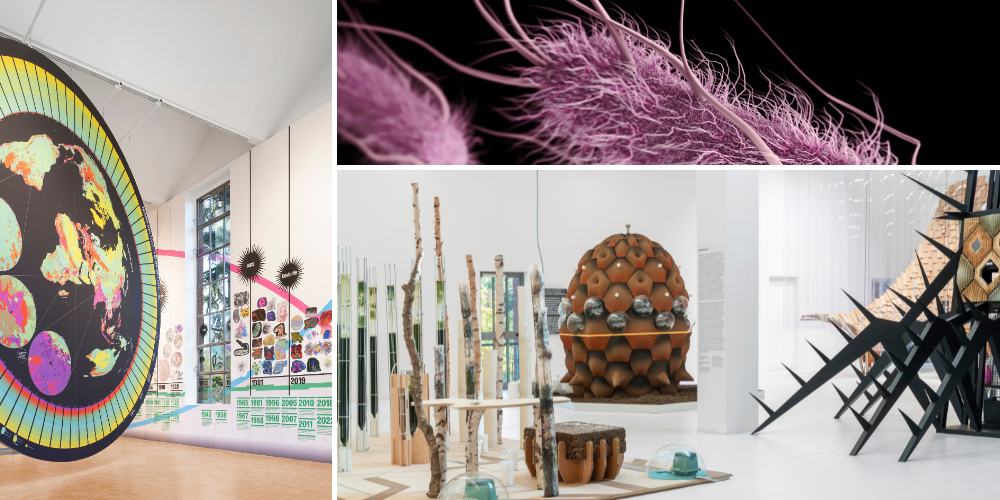
YUN Probiotherapy™ is proud to partner with Expo We The Bacteria, a thought-provoking exhibition at DE SINGEL in Antwerp that challenges the way we think about bacteria, health and the environments we live in.
Curated by Beatriz Colomina and Mark Wigley, the exhibition brings together architecture, science and art to tell an alternative history of our built environment, this time from the perspective of bacteria.
At YUN, we like to think of bacteria as the invisible architects of life.
4.2 billion years of bacteria
Bacteria were here long before us. Bacteria were here long before us. For billions of years, these invisible architects have been shaping the conditions for life on Earth.
We The Bacteria takes visitors on a journey from deep inside the Earth to outer space, tracing the microbial world from 4.2 billion years ago to today. Along the way, the exhibition challenges a deeply rooted idea: that humans are separate from the microbial world around them. We aren’t.
We are ecosystems.
Our skin, mouth, gut and intimate areas are home to complex communities of microorganisms. We carry them with us everywhere we go, constantly exchanging microbes with the people, objects, buildings and environments around us. We The Bacteria therefore asks us to look at humans differently: not as isolated individuals, but as mobile ecosystems living in continuous interaction with the microbial world.
“Have we become too successful at eliminating bacteria?
We have learned to fight bacteria
Yet much of modern life has been designed around doing exactly the opposite. From the moment we wake up, we start removing bacteria.We brush our teeth. We shower. We wash our hands. We apply deodorant. We clean and disinfect our homes.
Our buildings have also increasingly separated us from the microbial world. We spend more time indoors, in increasingly controlled environments, with less direct contact with soil, plants, animals and nature.
For generations, bacteria have predominantly been framed as dirty, dangerous or unwanted. We The Bacteria turns that perspective around. The exhibition explores how architecture has played a role not only in protecting us from harmful microorganisms, but also in reducing our exposure to microbial diversity.This raises a provocative question:
Have we become too successful at eliminating bacteria?
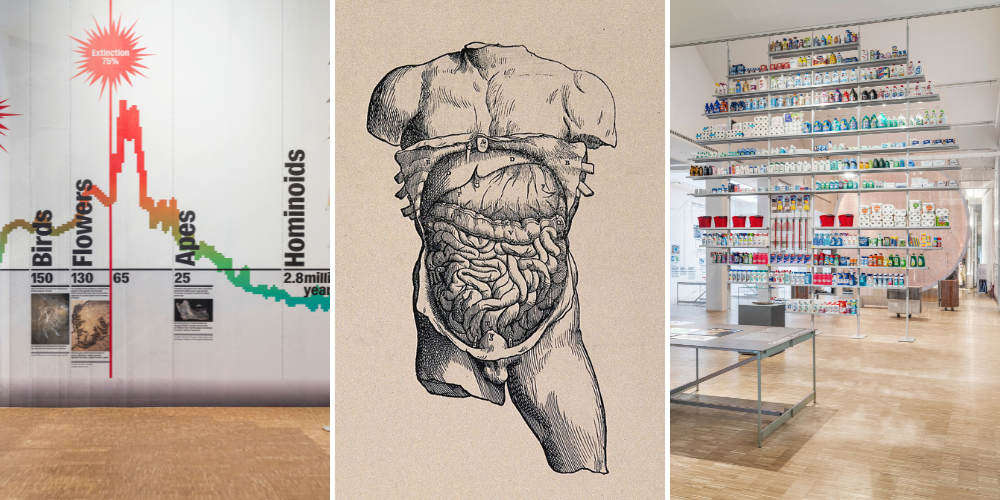
What happens when microbial diversity disappears?
Not every bacterium is harmful. Diverse microbial communities are an essential part of many healthy ecosystems, including those on and inside our bodies. The exhibition explores the growing scientific interest in the relationship between the loss of microbial diversity, our built environment and modern health.
This does not mean that hygiene, disinfection or antibiotics are unnecessary. They have transformed human health and remain essential. It means that our relationship with bacteria is more complex than simply:
Bacteria = bad. Kill them.
And that is where the story of We The Bacteria and YUN Probiotherapy™ come together.
From killing bacteria to working with them
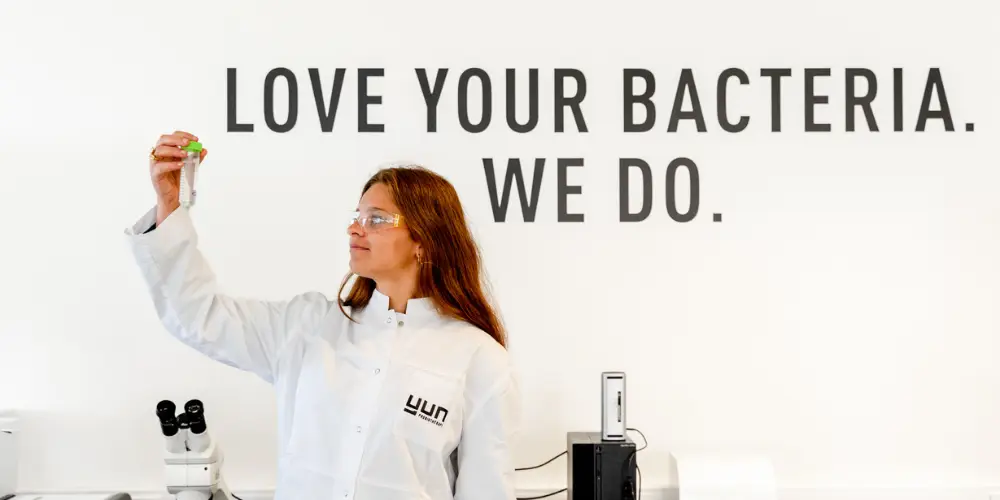
For more than 14 years, YUN has been researching a different approach to microbial health. Instead of asking: How can we kill more bacteria? We ask: How can we restore microbial balance?
That thinking led to Probiotherapy™. On our skin, bacteria are not passive inhabitants. They are part of a complex microbial ecosystem that helps shape the environment in which our skin functions. We see them as the invisible architects of healthy skin.
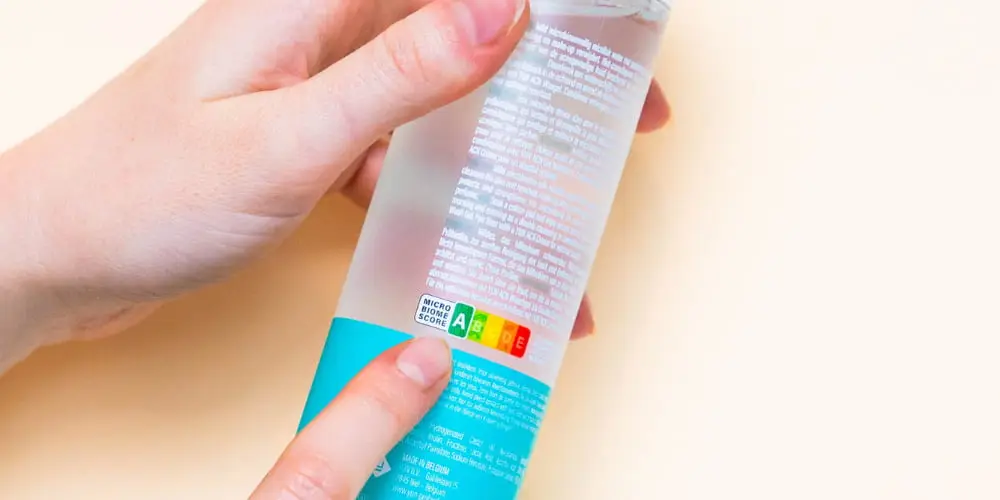
Probiotherapy™ works with this microbial ecosystem by delivering carefully selected live beneficial bacteria directly to areas where the microbiome has become disrupted.
From killing bacteria to working with bacteria.
It is a paradigm shift that sits remarkably close to the questions raised throughout We The Bacteria.
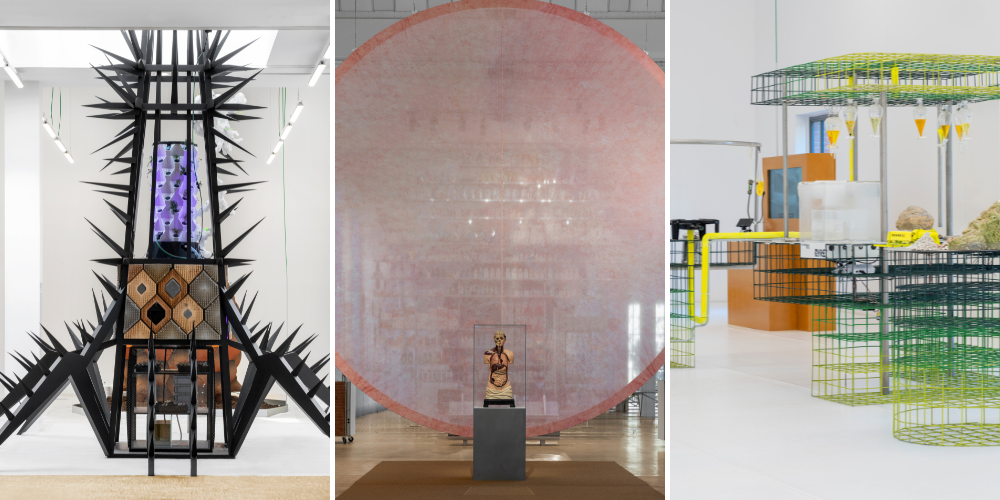
What if our buildings became ecosystems too?
The exhibition takes this thinking beyond the human body. What if our buildings didn’t simply protect us from microorganisms, but could actively coexist with them?
Scientists, architects, artists and designers featured in We The Bacteria explore new ways of thinking about buildings as living microbial environments rather than sterile barriers separating humans from nature.
Curators Beatriz Colomina and Mark Wigley propose a particularly fascinating analogy: What if we started thinking about buildings more like immune systems?
A healthy immune system does not create a sterile body. It manages a complex ecosystem in which countless microorganisms coexist. Could architecture begin to do something similar? It creates a fascinating parallel with the human microbiome.
Whether we are talking about our skin, our bodies or the buildings we inhabit, the underlying question becomes remarkably similar:
How can we create resilient ecosystems rather than simply eliminating everything we perceive as a threat?
A shared paradigm shift
That is why the partnership between YUN and We The Bacteria feels so natural. Architecture and Probiotherapy may appear to belong to completely different worlds. But both challenge the same deeply rooted idea:
Bacteria are not simply the enemy. They were here billions of years before us. They live on us, inside us and all around us. They help shape the ecosystems we depend on.
And perhaps the future isn’t about creating an increasingly bacteria-free world. Perhaps it is about learning how to live with bacteria again.
YUN Probiotherapy™ is proud to partner with We The Bacteria, an exhibition by Triennale Milano, presented by the Flanders Architecture Institute (VAi) and DE SINGEL in Antwerp.
We The Bacteria
30 September 2026 – 31 January 2027
DE SINGEL, Antwerp
Book your tickets: https://www.vai.be/agenda-expos-en-programma/we-the-bacteria
Discover We The Bacteria and step into the invisible world that has been shaping ours for billions of years. The invisible architects of life have been here all along.