

Why traditional protocols are reaching their limits
For decades, antibiotics were first-line solutions for conditions like otitis externa and atopic dermatitis. They worked at least for a while. But the collateral damage is clear:
- Disrupted microbial communities
- Increased recurrence after treatment stops
- Selection pressure driving AMR
- Reduced barrier resilience
Antibiotics treat symptoms of imbalance, not the imbalance itself. Increasingly, clinicians see the same pattern: inflammation, barrier dysfunction and dysbiosis precede infection. Antibiotics may resolve secondary infection, but they rarely restore the underlying ecosystem.
AMR changes the clinical question
The question is no longer only how to treat infection, but how to prevent conditions that require antibiotics in the first place.
Modern protocols aim to:
- Stabilise microbial ecosystems
- Support barrier integrity
- Modulate inflammation early
- Intervene before secondary infection develops
This evolution sets the stage for microbiome-first, antibiotic-sparing strategies.
Regulation accelerates the shift
EU Regulation 2019/6 bans preventive antibiotic use and enforces strict traceability. In Belgium, Sanitel-Med makes every prescription auditable. Antibiotics are no longer a default, they’re a controlled, last-line intervention. Prevention and ecosystem support are now essential for compliant, future-proof care.
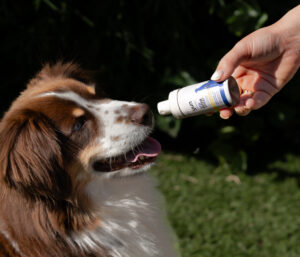
From antibiotic protocols to ecosystem protocols
Ecosystem-based protocols don’t eliminate antibiotics. They reposition them:
- Targeted interventions
- Clear diagnosis and justification
- Supported by measures that reduce recurrence risk
Core pillars include:
- Microbiome support
- Barrier protection
- Inflammation control
- Host resilience
By addressing biological drivers of recurrence, these protocols reduce both clinical dependence on antibiotics and the regulatory burden associated with their use.
Microbiome-first tools as enablers
At YUN Probiotherapy™, we design technologies for this shift:
- ProAuris for otitis externa: stabilises local microbiome, reduces recurrence pressure
- ProAtop for atopic dermatitis: supports barrier recovery, modulates inflammation
- ProEquiLife for systemic resilience: balances gut microbiome, reduces stress-related
dysbiosis
By working with beneficial bacteria and microbiome-safe formulations, these tools help ensure antibiotics are needed less often, without compromising care.
Because health isn’t about killing more life. It’s about restoring it.
What this means for veterinary practice
AMR doesn’t require fewer protocols. It requires better ones, aligned with biology and built for resilience. Microbiome-first strategies enable clinicians to:
- Reduce reliance on antibiotics
- Improve long-term outcomes
- Comply with EU stewardship requirements
- Support animal health in a biologically responsible way
➡️ Discover our animal portfolio here: Animal Portfolio
➡️ Want to read more on our scientific evidence & publications? Click here.